

Classic Xinjiang Guide: Must-See Spots & Travel Tips for the Silk Road
Traveling to Xinjiang is like stepping onto the set of an epic historical movie. Xinjiang can be split into 2 main regions, the North and South. This guide will focus on the South. For many, the Classic Southern Xinjiang Route is the holy grail of Silk Road travel, covering the legendary trio of Kashgar, Turpan, and Urumqi.
If you’re planning your first visit, you probably have a lot of questions. How many days do I need? What are the "must-sees" on the southern route? And—the big one—how do you actually navigate the logistics?
Here is everything you need to know about planning the perfect week-long journey through the heart of Central Asia.
7-Day Xinjiang Southern Route: What to See
While Xinjiang is massive, the southern "Classic Loop" is the most culturally dense. It’s where you’ll find the turquoise lakes of the Pamir Plateau and the ancient mud-brick ruins of the Silk Road. 7 days is enough to hit all the highlights with time to appreciate it all.
1. Kashgar: The Soul of the Silk Road
Kashgar is the heartbeat of the region. You can spend your days getting lost in the Kashgar Old Town, where the yellow-tiled houses and copper-smith workshops look exactly as they did centuries ago.
Don’t Miss: The Sunday Livestock Market. It’s loud, dusty, and absolutely fascinating. Seeing farmers trade sheep and camels is a scene you won't find anywhere else in China.

2. The Pamir Plateau & Karakul Lake
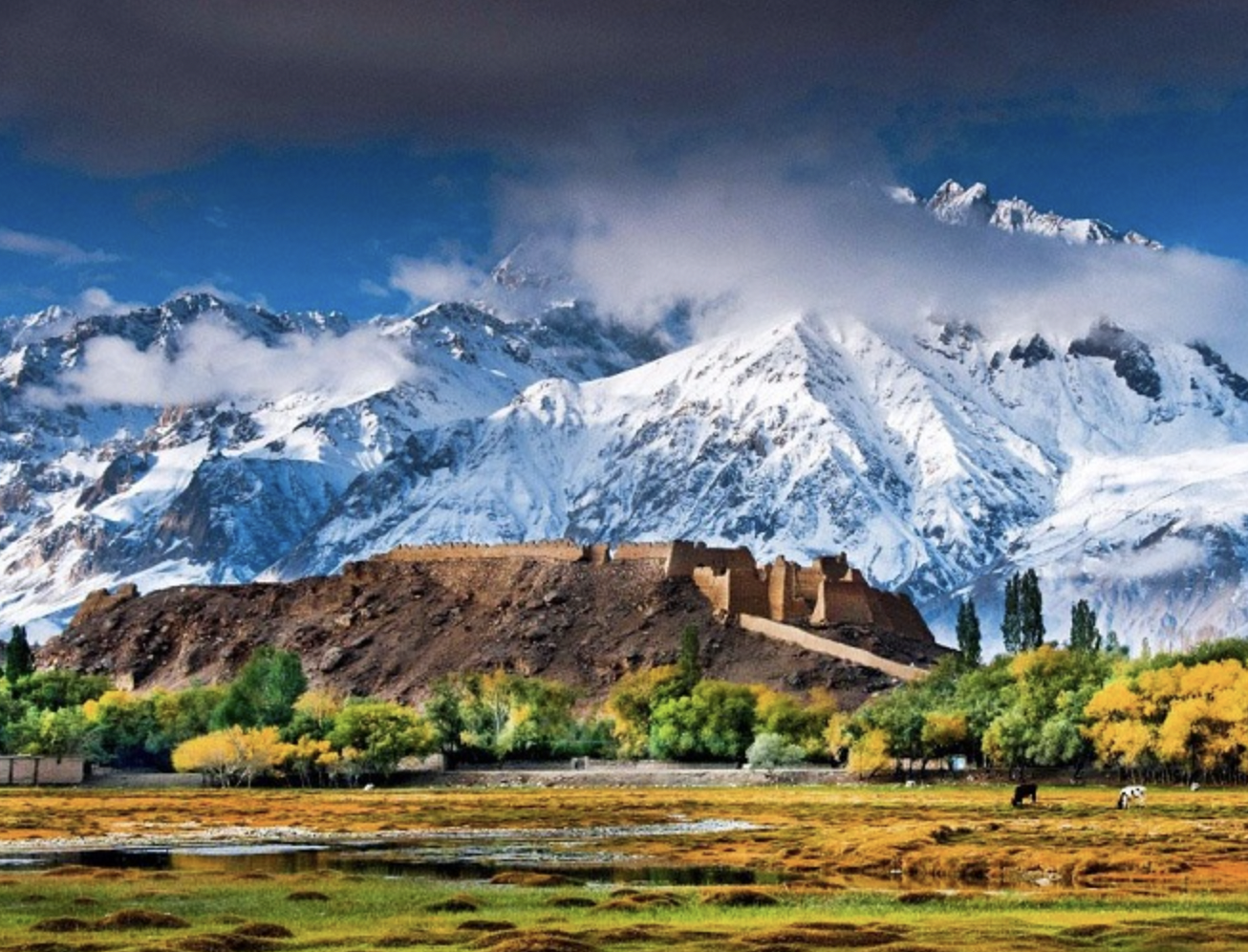
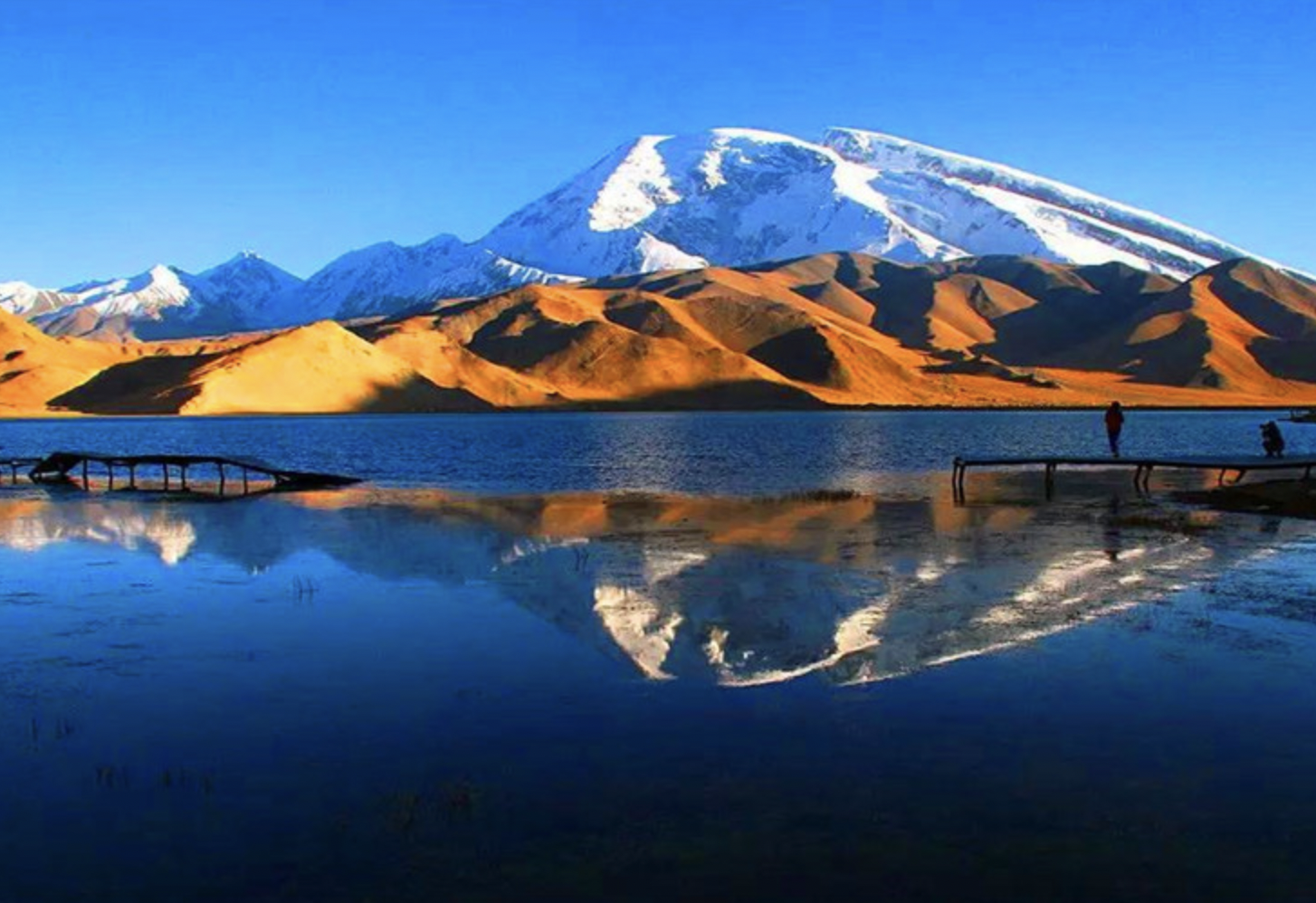
From Kashgar, you can head up the Karakoram Highway. This is one of the most beautiful drives in the world. You’ll see Muztagh Ata (the "Father of Ice Mountains") reflected in the emerald waters of Karakul Lake.
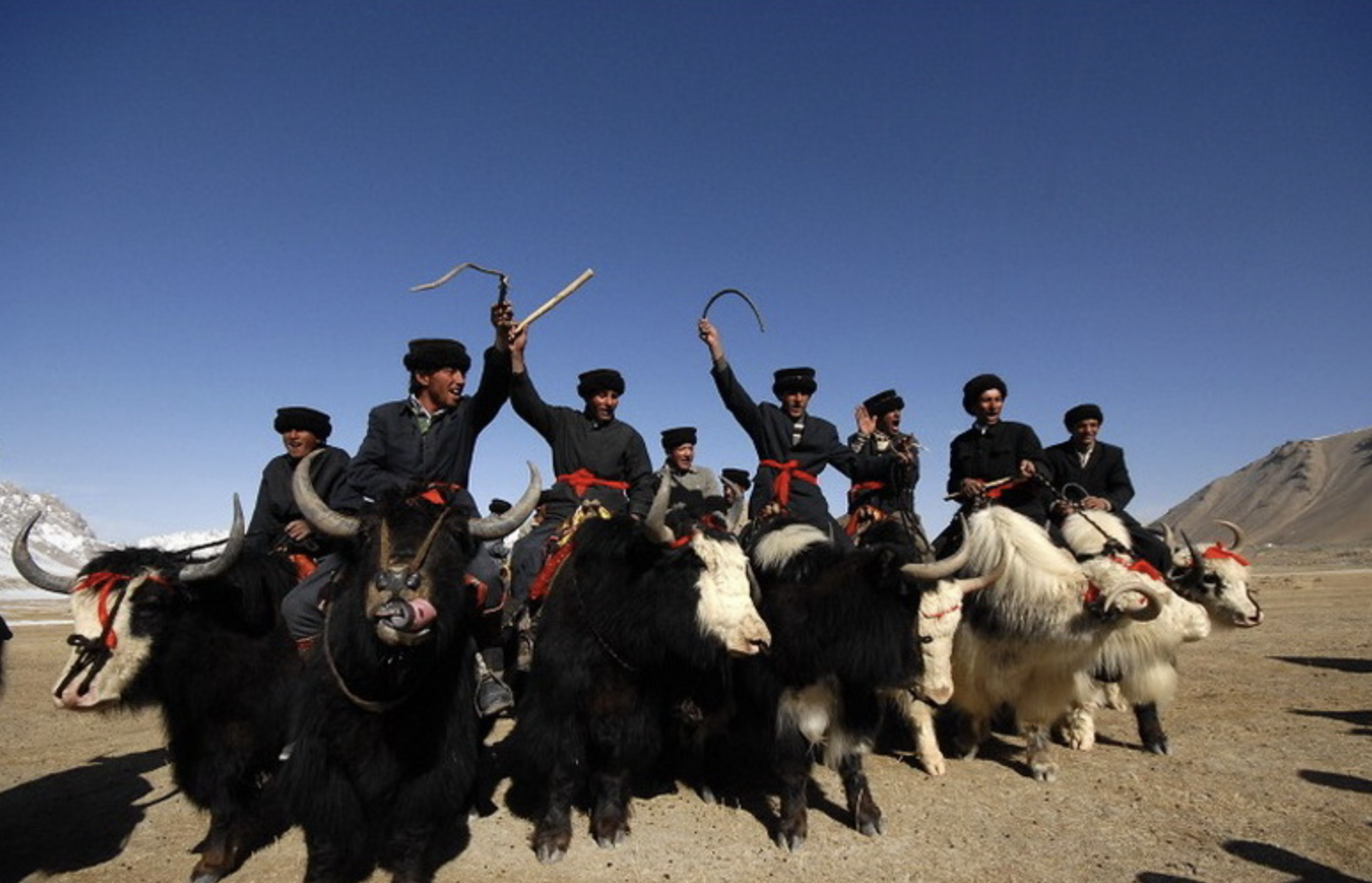
The High Point: Staying overnight in Taxkorgan, a small town near the border inhabited by the Tajik ethnic group, known for their unique culture and the ancient Stone Fortress.
3. Turpan: The Hottest Oasis on Earth
Turpan is a land of extremes. It’s a lush green oasis surrounded by the scorching Flaming Mountains.
What to See: The Jiaohe Ruins (the world’s best-preserved ancient city made of earth) and the Karez Wells, an ingenious 2,000-year-old underground irrigation system that still keeps the city's famous grapes growing today.
4. Urumqi & Heavenly Lake
The capital city, Urumqi, is a modern hub with a great International Grand Bazaar. However, the real draw is Heavenly Lake (Tianchi), a sapphire-blue lake tucked into the Tianshan Mountains, just a short drive from the city.
How to Plan Your Trip: Practical Tips for 2026
Navigating Xinjiang as an international traveler is easier than it used to be, but it still requires some planning.
Getting the Right Permits
Most of Xinjiang is open to foreigners with just a standard Chinese visa. However, the Pamir Plateau (Taxkorgan) is a border region.
The "How-To": You will need a Border Travel Permit for this area. If you book a tour, your agency handles this for you. If you go solo, you’ll need to apply at the Self-Driving and Camping Office near Kashgar airport. Get a ticket, fill in the form in English and wait. Waiting time can be several hours.
Security and Logistics
Though security checks are more relaxed than previous year, expect to see security checkpoints frequently. Prepare to be asked off buses and stopped at train stations for passport checks and questions about your itinerary.
Pro Tip: Always carry your original passport. You will need it to enter markets, hotels, and even some gas stations.
Timing: Everything in Xinjiang takes longer due to the distances and security checks. Give yourself an extra hour for airport and train station arrivals.
When is the Best Time to Go?
April to October is the best time to visit Xinjiang. Though its worth noting, the weather will be hotter and the crowds heavier in July and August.
Getting There and Getting Around
Urumqi is the main gateway to Xinjiang, with flights from around Asia and Europe, as well as many domestic routes. Kashgar has an airport, with routes connecting it to Urumqi, Turpan and other Chinese cities.
There is also a high-speed train running from Lanzhou to Urumqi, that stops in Turpan and Hami on the way. Kashgar can also be reached by sleeper train from Urumqi, taking around 9 hours.
Local buses or private cars are the way to get around other places. Didi is also available within cities.
Frequently Asked Questions (FAQs)
Q: Is it safe to travel to Xinjiang as a foreigner? A: Yes, it is very safe in terms of crime. You will notice a heavy police presence and many security cameras, which can be surprising at first, but the local people are incredibly welcoming and hospitable.
Q: Can I travel independently or do I need a tour? A: You can travel independently to major cities like Urumqi, Turpan, and Kashgar. However, many travelers find that a guided tour is much smoother because guides handle the frequent checkpoints, permit applications, and language barriers.
Q: How do I pay for things in Xinjiang? A: Like the rest of China, Alipay and WeChat Pay are king. Even small fruit stalls in the bazaar take mobile payments. Cash is still accepted and it’s a good idea to carry some cash (CNY) for remote areas in the Pamirs.
Q: What should I wear? A: While not strictly enforced, it’s respectful to dress modestly in cultural hubs like Kashgar—think shoulders and knees covered. Also, bring layers! It can be 30°C in Turpan and 5°C at Karakul Lake on the same trip.
Ready to see the Silk Road for yourself?
If you're looking for a hassle-free way to see all these highlights without worrying about the permits and checkpoints, check out our [7-Day Classic Xinjiang Tour: Kashgar, Turpan & Urumqi]. We’ve refined the route to make sure you spend less time in transit and more time in the heart of the action.
